Are Flower Vending Machines Really Reliable for 24/7 Retail?
Over the past few years, automated retail has expanded far beyond snacks and drinks. One of the most interesting innovations is the flower vending machine — a beautifully designed machine that sells fresh bouquets in places like airports, malls, hospitals, and subway stations.
But behind the elegant glass windows and colorful bouquets, there is a surprisingly complex technical challenge. Flowers are delicate, valuable, and perishable. If the storage doors are not secure, the entire retail model quickly falls apart.
That’s where the locking system becomes far more than just a simple mechanical component. From the perspective of a manufacturer specializing in solenoid lock technology, these machines are actually a perfect example of how modern vending security works.
When Flowers Meet New Retail
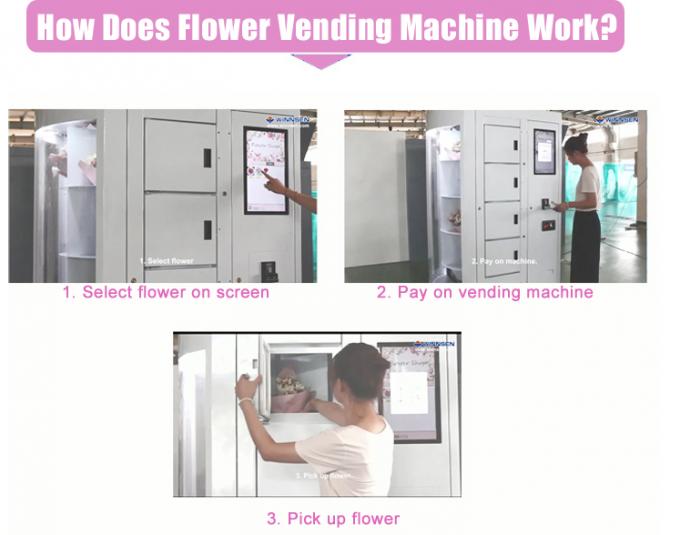
Flower vending machines combine several technologies into a single automated system: refrigeration, humidity control, payment terminals, rotating display shelves, and smart lockers. Customers simply choose a bouquet, pay digitally, and the corresponding door opens automatically.
Sounds simple, right? But the process requires precise coordination between hardware and software.
Each storage compartment must remain securely locked until payment is confirmed. Once the transaction is completed, the system sends a signal to release a specific compartment. The door unlocks instantly, the customer retrieves the bouquet, and the system locks again for the next transaction.
In practice, this means the locking mechanism must be fast, reliable, and able to perform thousands of cycles without failure.
Unique Security Challenges for Flower Vending Machines
Unlike snack vending machines that dispense items through a single slot, flower vending machines use multiple individual locker doors. A typical system may store 24 different bouquets, each inside its own refrigerated compartment.
This design introduces several security challenges:
1. Multi-door synchronization
Each compartment needs an independent electronic lock that communicates with the vending control system. If even one lock fails to respond correctly, the machine may lose inventory control.
2. High-frequency operation
Machines installed in busy locations can process hundreds of transactions per day. The locking system must withstand continuous opening and closing without mechanical wear affecting performance.
3. Environmental conditions
Because flowers require refrigeration and humidity control, internal conditions are very different from ordinary vending machines. Lock components must remain stable in low temperatures and high humidity environments.
4. Payment-linked unlocking
Modern machines only release the door after successful payment confirmation. This requires a locking device that can integrate directly with electronic controllers and payment modules.
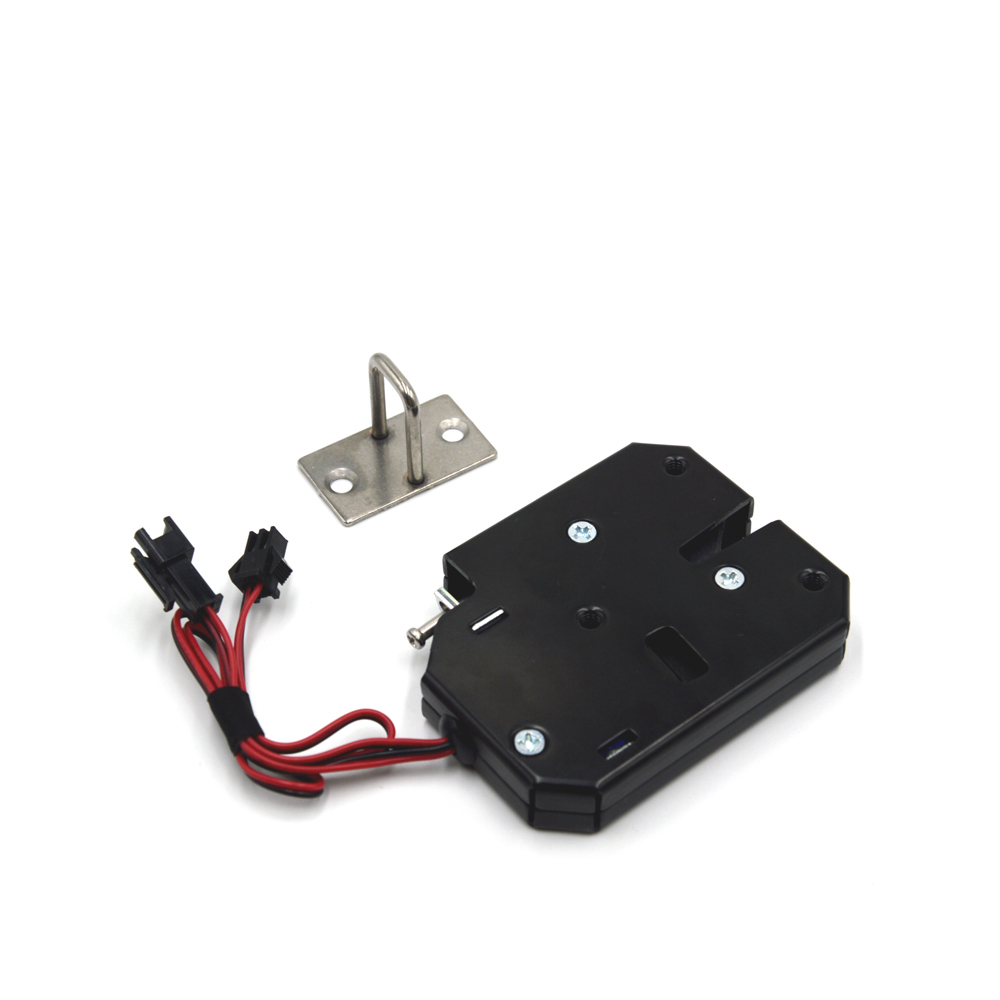
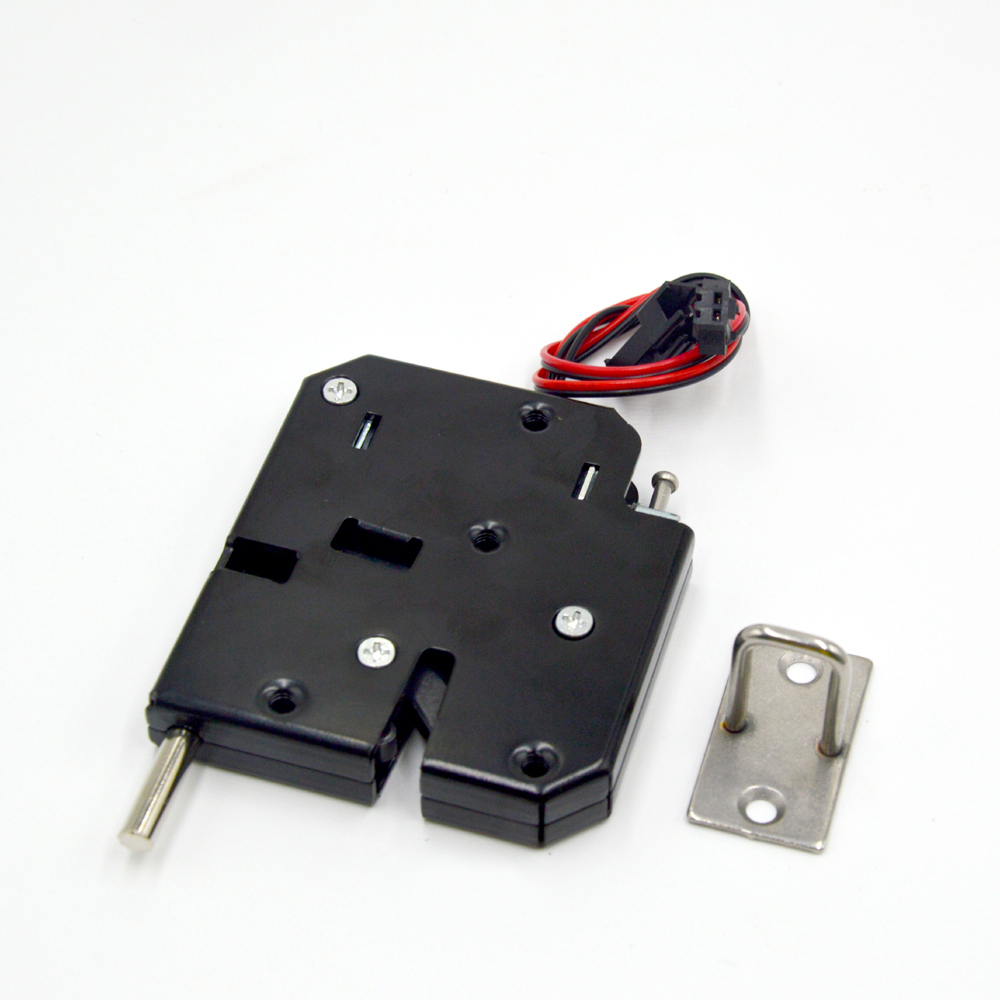
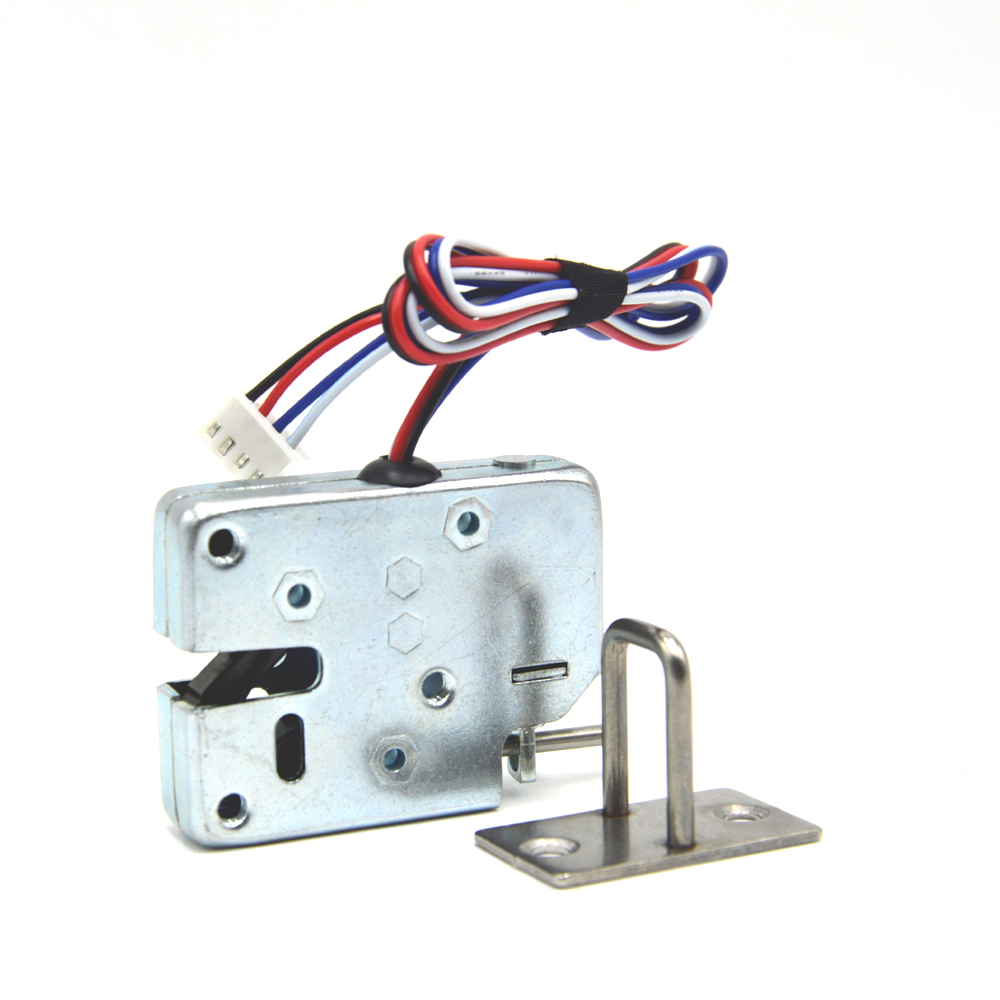
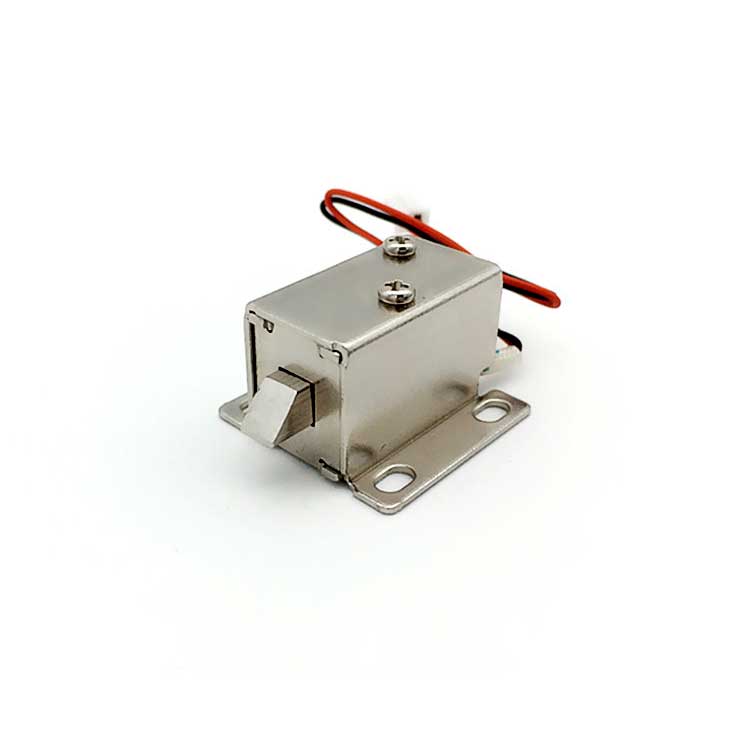
For these reasons, many automated retail manufacturers rely on compact electronic locking solutions such as solenoid lock systems. These locks respond instantly to electronic signals and are easy to integrate into vending machine control boards.
From “Locking Doors” to “Locking Ecosystems”
Interestingly, the role of locking technology in modern vending machines has evolved significantly.
Years ago, locks simply prevented unauthorized access. Today, they are part of a much larger ecosystem that includes cloud management platforms, remote diagnostics, and inventory monitoring.
For example, many flower vending machines now feature:
- Remote monitoring through web-based dashboards
- Automatic inventory reports
- Cloud-based machine management
- Remote firmware updates
- Multiple payment integrations
Within this system, the lock becomes an important endpoint device. Every time a compartment opens, the event is logged and transmitted to the central platform. Operators can instantly see which bouquet was sold and which compartment was accessed.
This kind of integration transforms a simple door lock into a critical part of automated retail infrastructure.
Smart Locker Architecture Inside Flower Machines
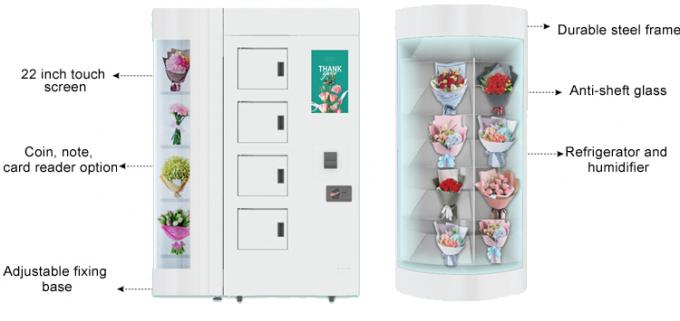
If you take a closer look inside a modern flower vending machine, you’ll usually find a modular locker architecture. Each bouquet sits inside an independent compartment equipped with:
- Temperature control
- Humidity regulation
- LED display lighting
- Electronic locking mechanism
- Sensor monitoring
When a customer selects a bouquet from the touchscreen interface, the system performs several actions simultaneously:
- Verifies payment
- Identifies the correct compartment
- Sends an unlock signal
- Logs the transaction to the cloud
- Updates inventory automatically
Because this entire process happens within seconds, the locking device must respond instantly while maintaining consistent holding force and operational stability.
Why Reliable Locking Matters for Automated Flower Retail
From the outside, flower vending machines look like simple retail kiosks. But from a technical perspective, they are actually sophisticated automated systems that combine refrigeration, IoT connectivity, payment technology, and electronic security.
And at the center of all these components is something surprisingly small — the electronic lock controlling each compartment.
When that locking system works reliably, the entire business model becomes scalable. Machines can be deployed in airports, hotels, subway stations, and shopping malls, selling flowers 24 hours a day without staff.
So next time you see a flower vending machine in a public space, remember that behind the beautiful bouquets is a carefully engineered ecosystem — where smart electronics, cloud platforms, and precise locking mechanisms work together to keep the flowers safe until the perfect customer arrives.