Why Should You Choose a Wireless Alarm System?
Traditional wired alarm systems often leave blind spots due to layout constraints. Wireless alarm systems, on the other hand, are not limited by walls or building structure.
Walk past a train station, office building, or hotel lobby today and you will probably notice something quietly doing business 24 hours a day — the vending machine. From freshly brewed coffee to cold drinks and snacks, these self-service machines have become a convenient part of daily life.
But behind the simple experience of pressing a button and receiving a product, there is a surprisingly important piece of engineering that most users never think about: the locking system inside the machine.

Unlike traditional retail equipment, vending machines usually operate without staff nearby. They must store products securely while still allowing the machine to release items automatically after payment.
This means the machine must constantly balance two things:
• Keep the door and internal compartments secure
• Allow the system to unlock specific sections instantly when needed
This is where the solenoid lock becomes extremely useful. Instead of relying on purely mechanical locking systems, modern vending machines often use electrically controlled locks that can respond instantly to commands from the machine’s control board.
Inside many vending machines, a solenoid lock works as a compact electromagnetic actuator. When the machine receives a payment confirmation, the controller sends a signal to the lock, allowing a compartment door or dispensing mechanism to release at the exact moment it is required.
Because the system is electrically controlled, the machine can:
• lock and unlock compartments automatically
• coordinate with the payment system
• prevent unauthorized access
• operate thousands of cycles reliably
For unattended equipment like vending machines, parcel lockers, ticketing kiosks, or self-service cabinets, this type of locking solution is both efficient and practical.

From a manufacturing perspective, reliability is everything. A vending machine might open and close its internal mechanisms hundreds of times per day. Over time, this means the locking system may perform tens of thousands of cycles.
If the lock fails, the entire machine may stop working or require maintenance. That is why equipment manufacturers pay close attention to the quality of small components like locks, sensors, and actuators.
As a manufacturer of solenoid locks, we often work with equipment designers who are building self-service systems such as vending machines. Our role is simple but critical — to provide stable locking solutions that integrate easily into automated equipment.
When people talk about vending machines, they usually focus on payment technology, touch screens, or product variety. But in reality, reliable hardware behind the scenes is what keeps the machine operating day and night.
A well-designed vending machine is really a collection of many small engineering solutions working together — motors, sensors, controllers, and secure locking systems.
Among these components, the solenoid lock may be small, but it plays a vital role in ensuring that automated retail machines remain secure, dependable, and ready to serve customers anytime.
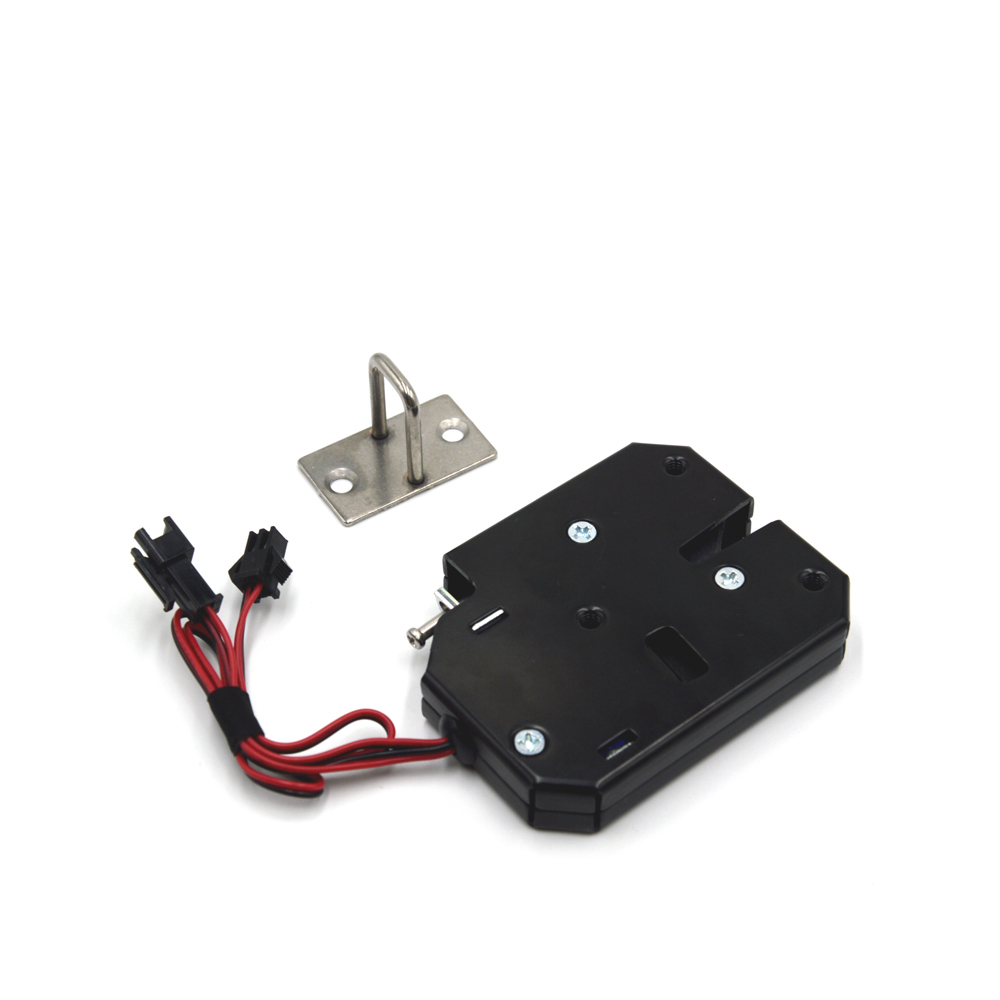
Voltage options: 12V 2A, 24V 1A
Standard connector: SM2.5, 2-pin
Mechanical lifespan: over 500,000 times.
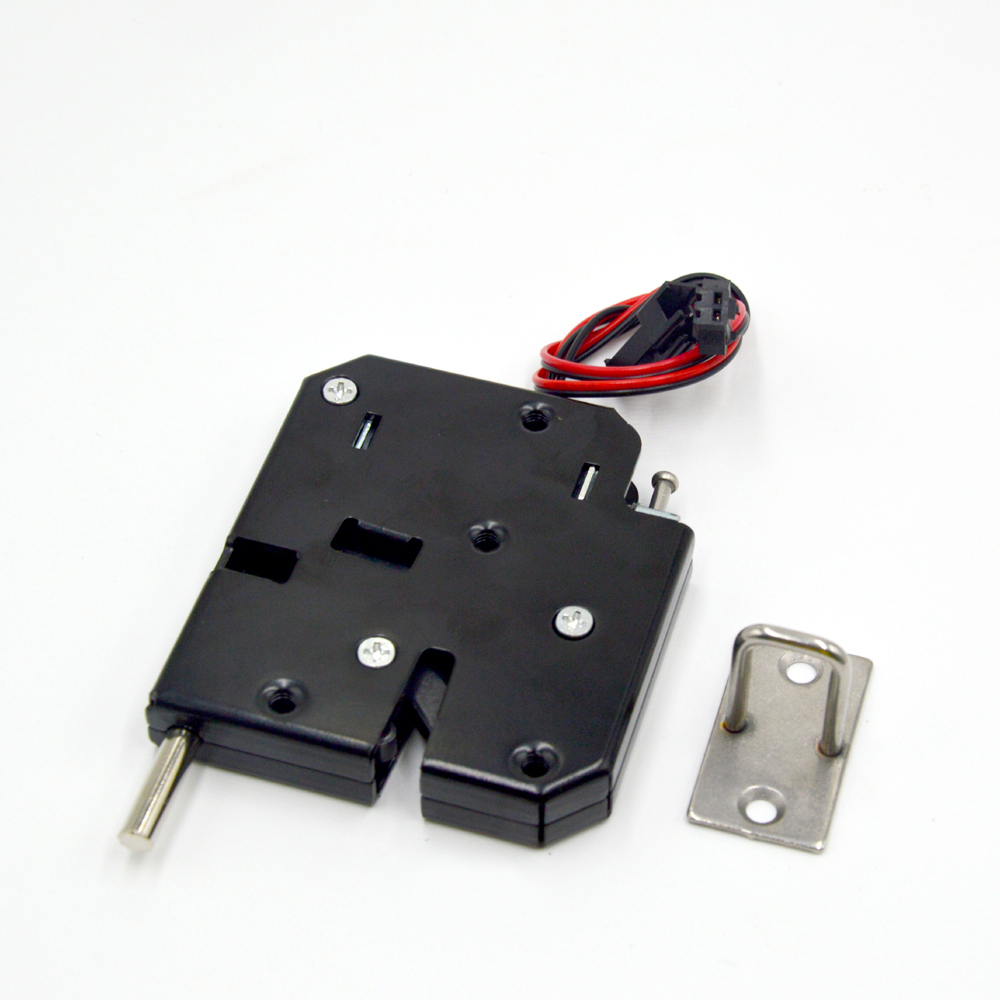
Size: 73*66*13mm,with push level
Standard connector: SM2.5, 2-pin
Voltage options: 12V 2A, 24V 1A
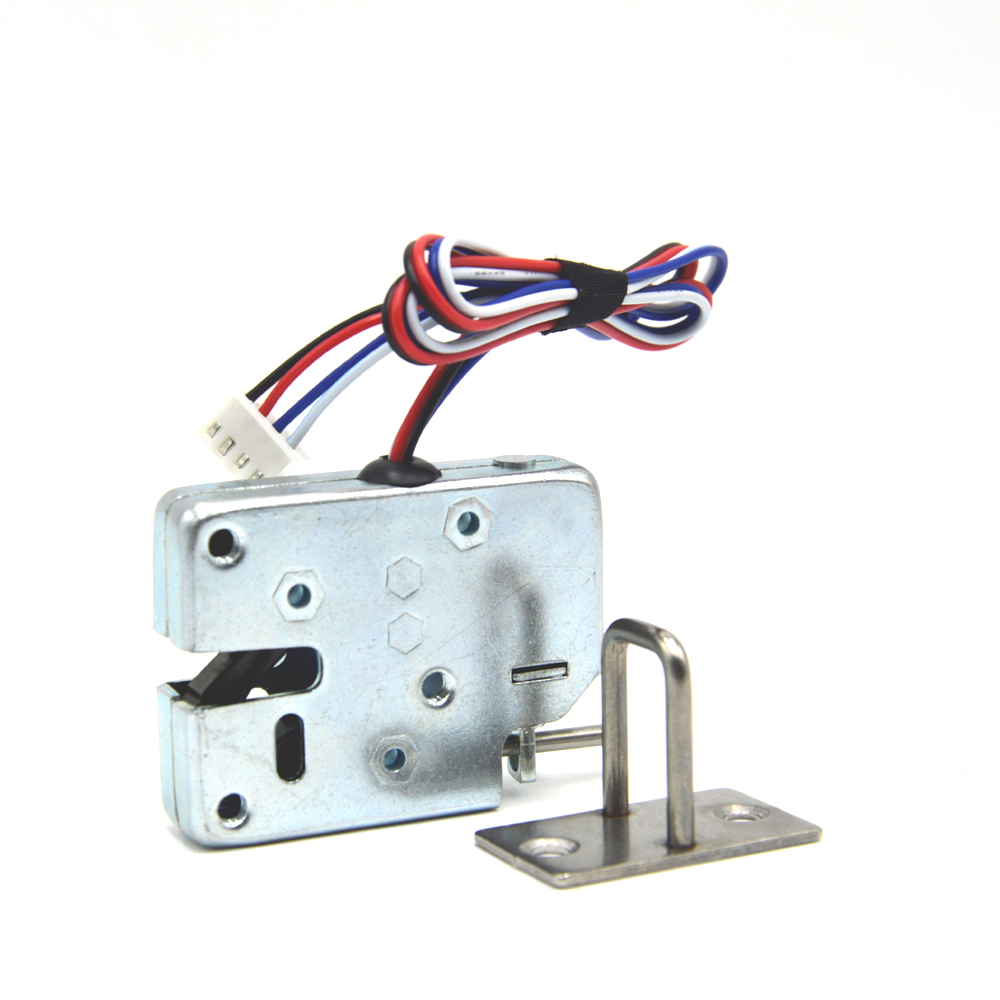
Size: 53*40*13mm. Color: Silver
Surface: Electroplating paint
Latch (striker) sizes: 21.5mm, 25mm
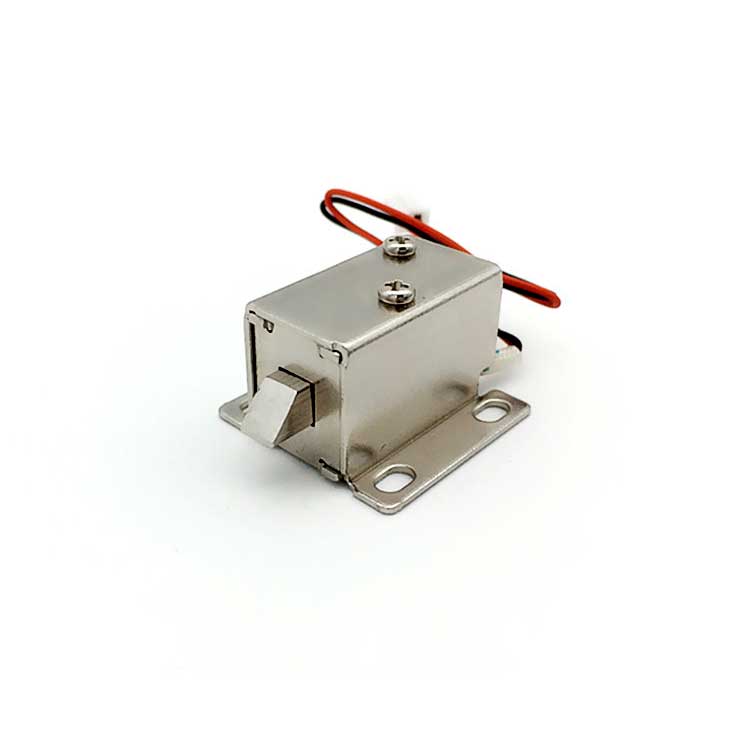
Voltage: DC12V, Current: 0.43A
Length: 27mm, Width: 28mm, Height: 17.6mm
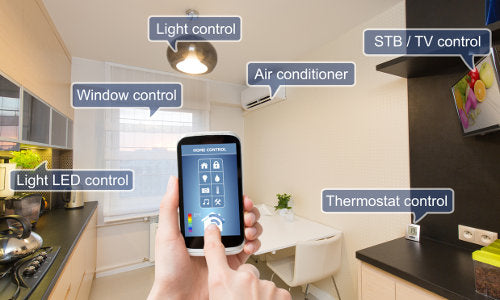
Traditional wired alarm systems often leave blind spots due to layout constraints. Wireless alarm systems, on the other hand, are not limited by walls or building structure.
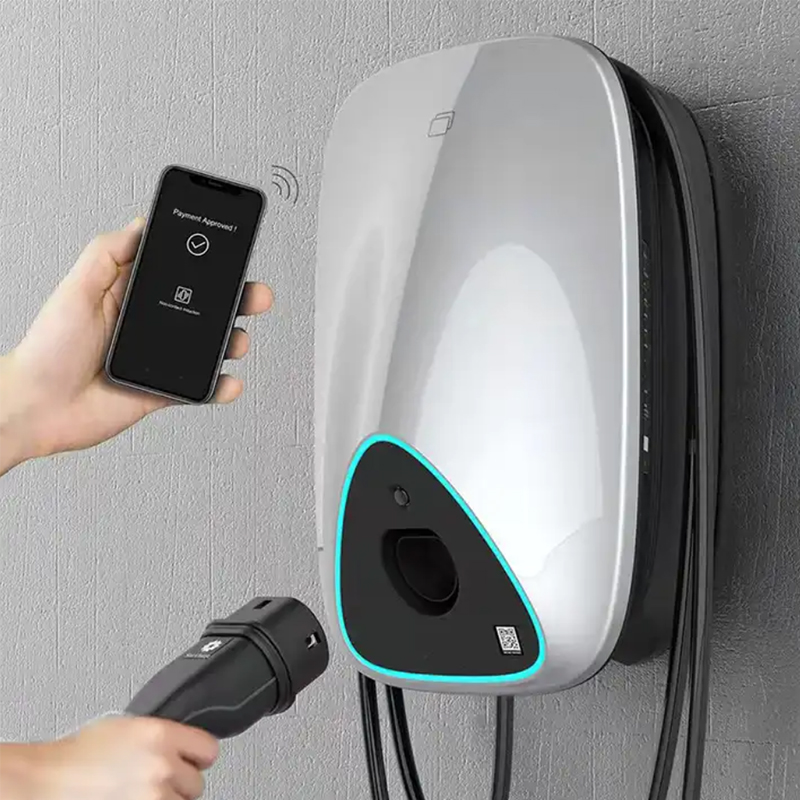
Can Mobile DC Chargers with Smart Locking Systems Accelerate EV Adoption?

What Key Features Should You Look for When Choosing a Ticket Vending Machine?