Can Dynamic EV Charging Change the Future of Electric Vehicles?
Electric vehicles are becoming a central part of modern transportation, but one challenge still appears in many discussions: charging. Traditional charging requires the vehicle to stop, plug in, and wait. While fast-charging technology has improved, the process still interrupts travel.
This is where dynamic EV charging begins to attract attention. Instead of waiting at a charging station, a vehicle could receive energy while driving. The concept sounds futuristic, but researchers and infrastructure developers are already exploring ways to make it practical.
What Is Dynamic EV Charging?
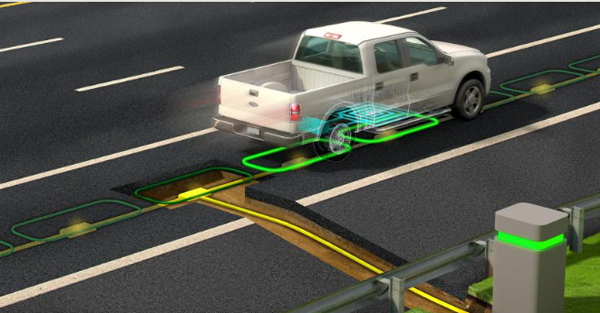
Dynamic EV charging refers to a system that allows an electric vehicle to charge while in motion. In this setup, charging infrastructure is integrated into the road surface, enabling vehicles to receive power as they travel.
Instead of relying only on stationary charging points, the road itself becomes part of the charging network. This could significantly extend the operational range of electric vehicles and reduce the need for large battery packs.
In many proposed designs, the road contains embedded power transmitters. As a compatible vehicle passes over them, energy is transferred to the vehicle’s battery system, allowing continuous charging during travel.
How Dynamic Charging Systems Manage Energy
Another important aspect of dynamic charging is the ability to adjust charging power in real time. Vehicles can communicate with the charging infrastructure or power grid to determine how much electricity should be delivered.
This intelligent communication allows the vehicle to adjust its charging rate depending on several factors:
• electricity demand on the grid
• energy prices at that moment
• availability of renewable power sources
By adapting to these conditions, the charging system can help optimize energy usage while reducing costs for vehicle owners.

Wireless Charging Technology in EV Infrastructure
Many dynamic charging concepts rely on inductive wireless charging. Instead of using a cable, energy is transferred through electromagnetic fields between a transmitter embedded in the ground and a receiver mounted underneath the vehicle.
Drivers simply drive over the charging area or park above it, and the charging process begins automatically. Although wireless charging is currently less efficient than traditional cable charging, technological improvements are rapidly increasing its efficiency.
This approach can make charging more convenient and help integrate charging infrastructure into roads, parking areas, and public spaces.
Why Secure Access Matters in Charging Equipment
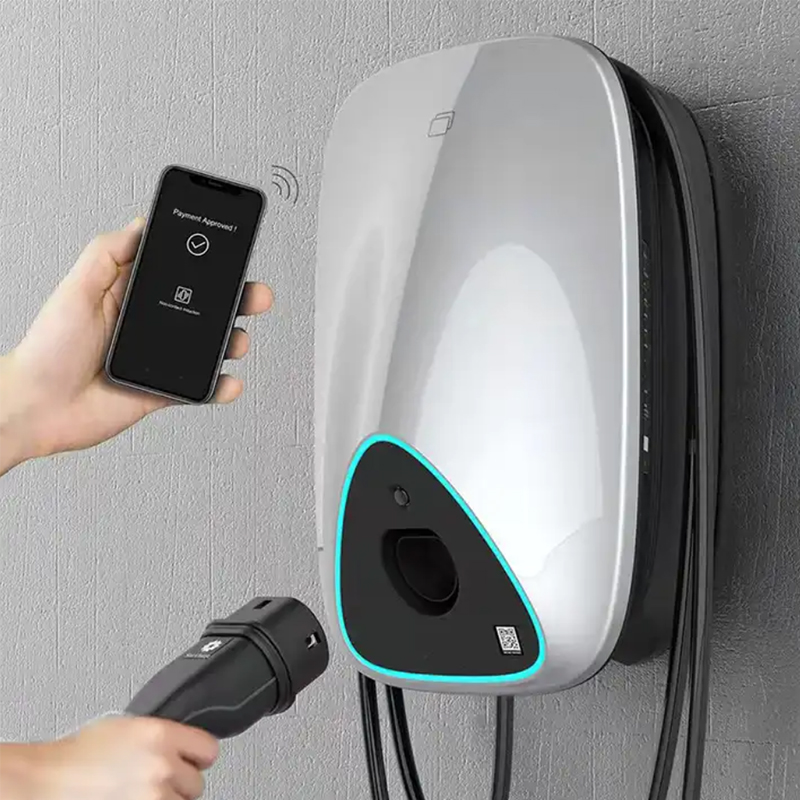
When people talk about EV charging technology, they usually focus on batteries, power electronics, or wireless energy transfer. However, charging stations also contain critical internal components such as controllers, power modules, and communication systems.
These systems must be protected from unauthorized access, especially in public charging infrastructure. Maintenance panels, equipment cabinets, and charging station enclosures often require reliable electronic locking mechanisms.
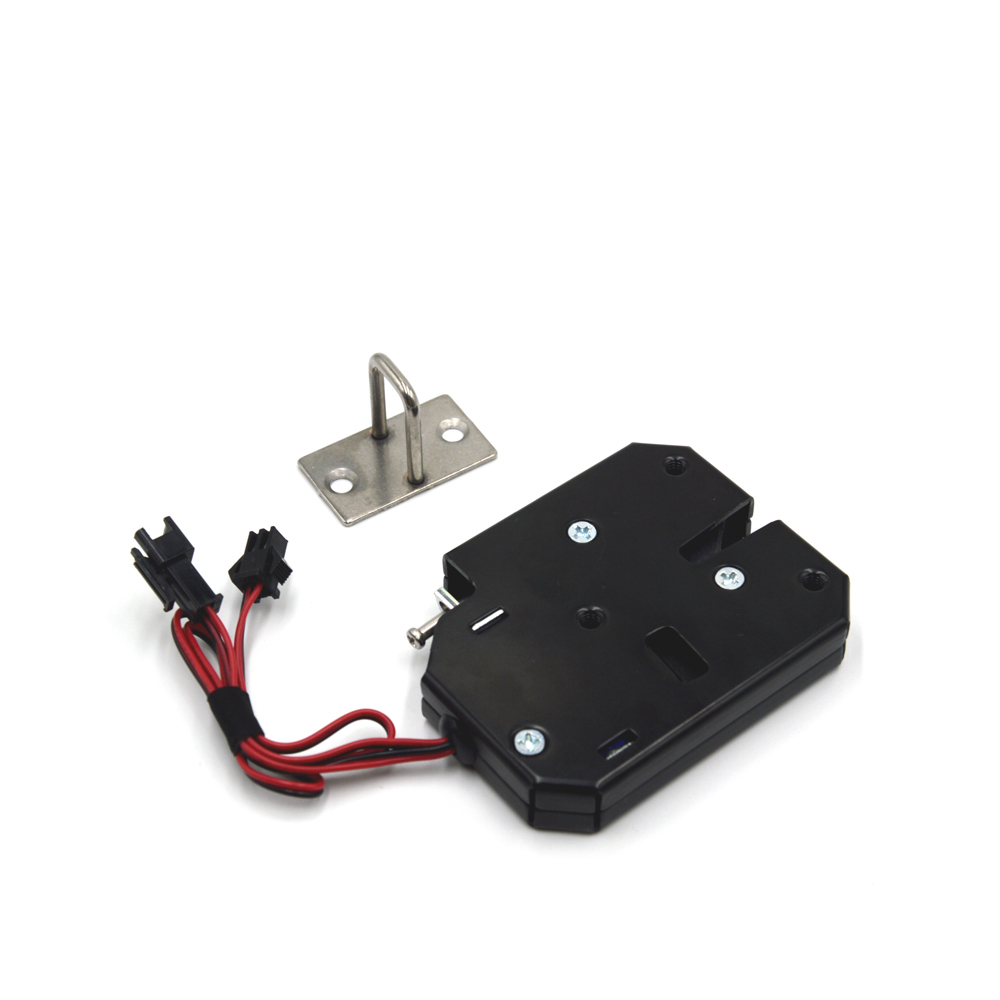
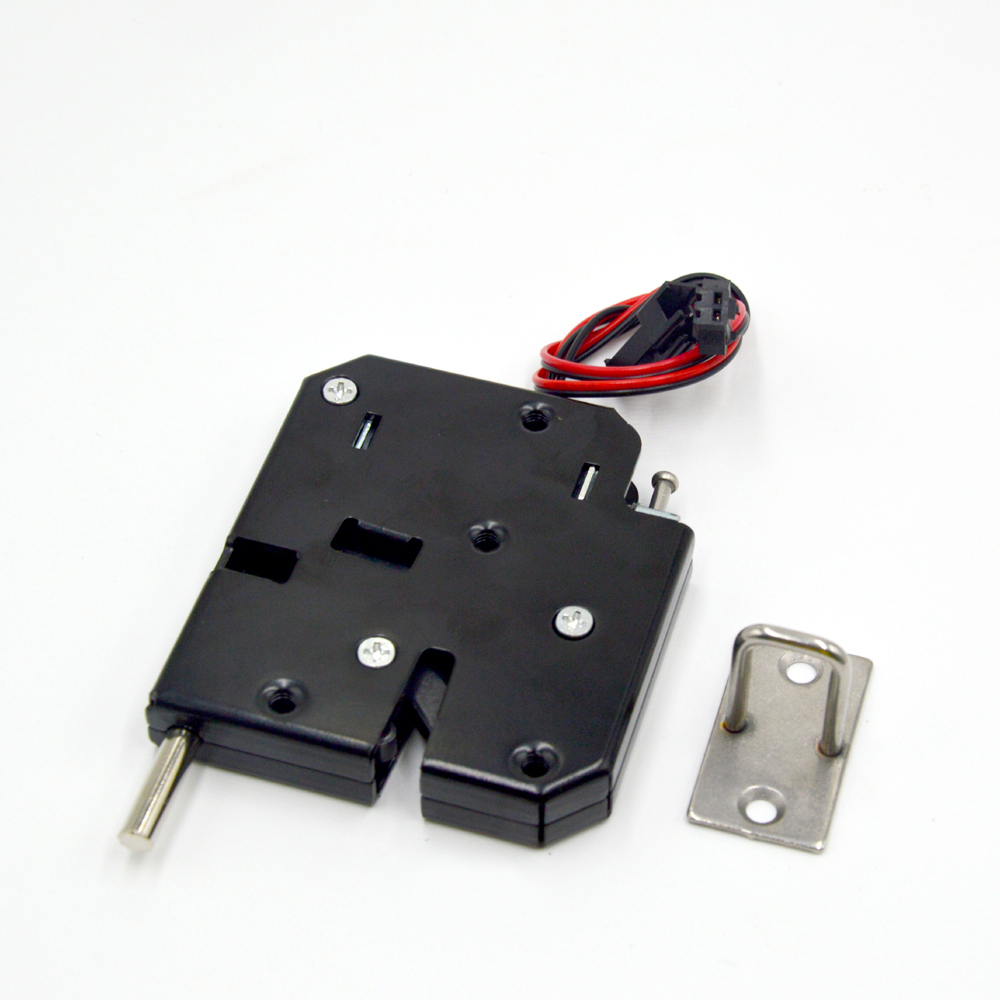
This is where the solenoid lock plays an important role. Inside charging cabinets and equipment housings, electrically controlled locks can secure access doors while still allowing automated control by the system.
For engineers designing charging infrastructure, this type of lock offers several advantages:
• compact design for tight equipment spaces
• electronic control through the charging system
• reliable locking for outdoor installations
• fast response for maintenance access
Because EV charging stations operate unattended in many public environments, stable locking mechanisms help ensure that sensitive electrical components remain protected.
Dynamic Charging vs Traditional Charging
Although dynamic charging shows great promise, traditional charging infrastructure will continue to play an important role. Each approach has its own advantages.
Dynamic EV Charging
• vehicles charge while driving
• reduces dependence on large batteries
• potentially supports continuous energy supply
Traditional Charging Stations
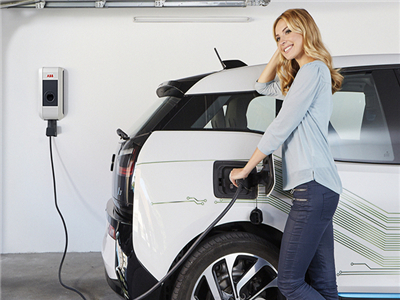
• vehicles stop and connect to a charger
• widely available infrastructure today
• suitable for home, workplace, and public locations
In reality, future EV infrastructure will likely combine both systems. Dynamic charging may support highways and busy transportation corridors, while stationary charging stations remain common in cities and residential areas.
The Bigger Picture
Electric mobility continues to evolve quickly. From faster batteries to wireless charging and dynamic road infrastructure, new technologies are shaping how vehicles receive energy.
Behind these innovations are countless supporting components — sensors, power electronics, control systems, and secure hardware that keeps equipment operating safely.
Among these components, reliable electromagnetic locking solutions help protect the charging infrastructure itself. While small in size, they play an important role in keeping EV charging systems secure, maintainable, and ready for long-term operation.