Why Do EV Charging Stations Need Reliable Locking Systems?
The Hidden Engineering Behind EV Charging Stations
Electric vehicle charging stations look simple from the outside — plug in the cable, wait a few minutes, and continue driving. But behind this simple user experience is a surprisingly complex engineering system. High-power DC charging stations can deliver hundreds of kilowatts of power directly to a vehicle battery, which means safety, connection stability, and precise control are absolutely essential.
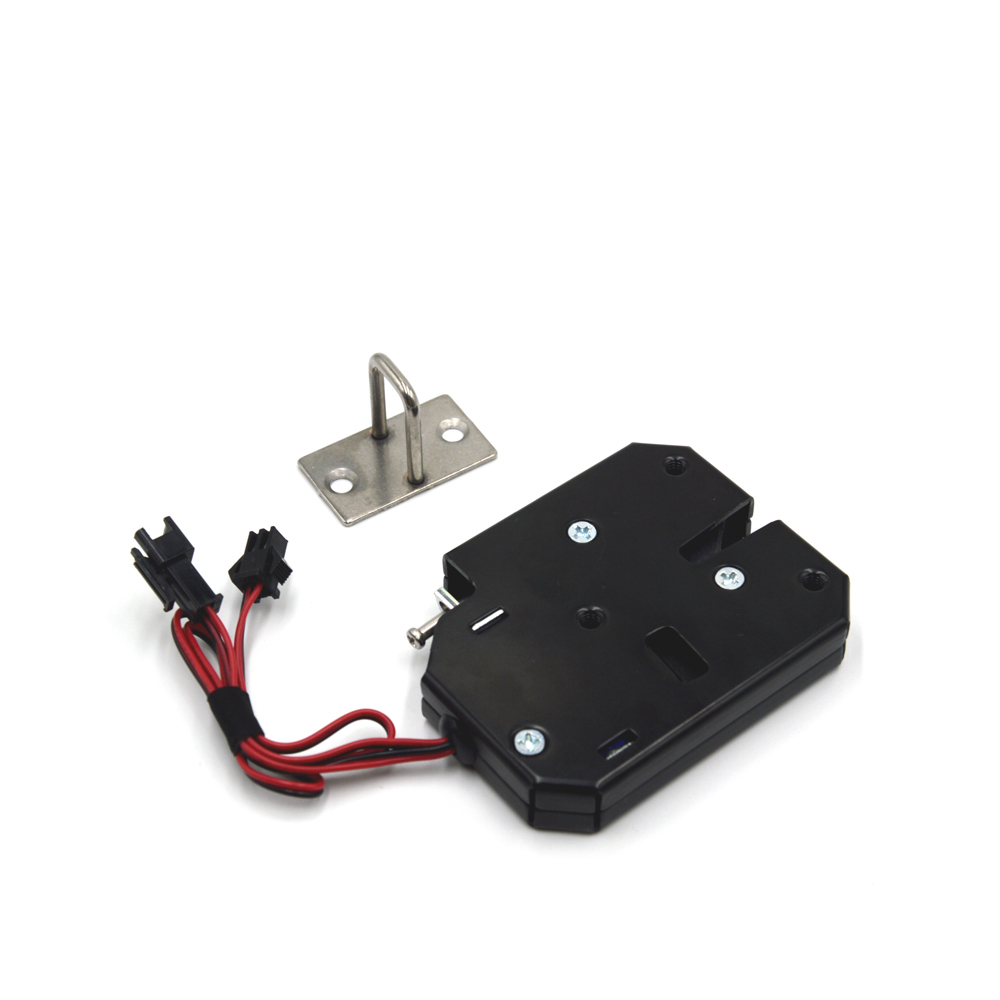
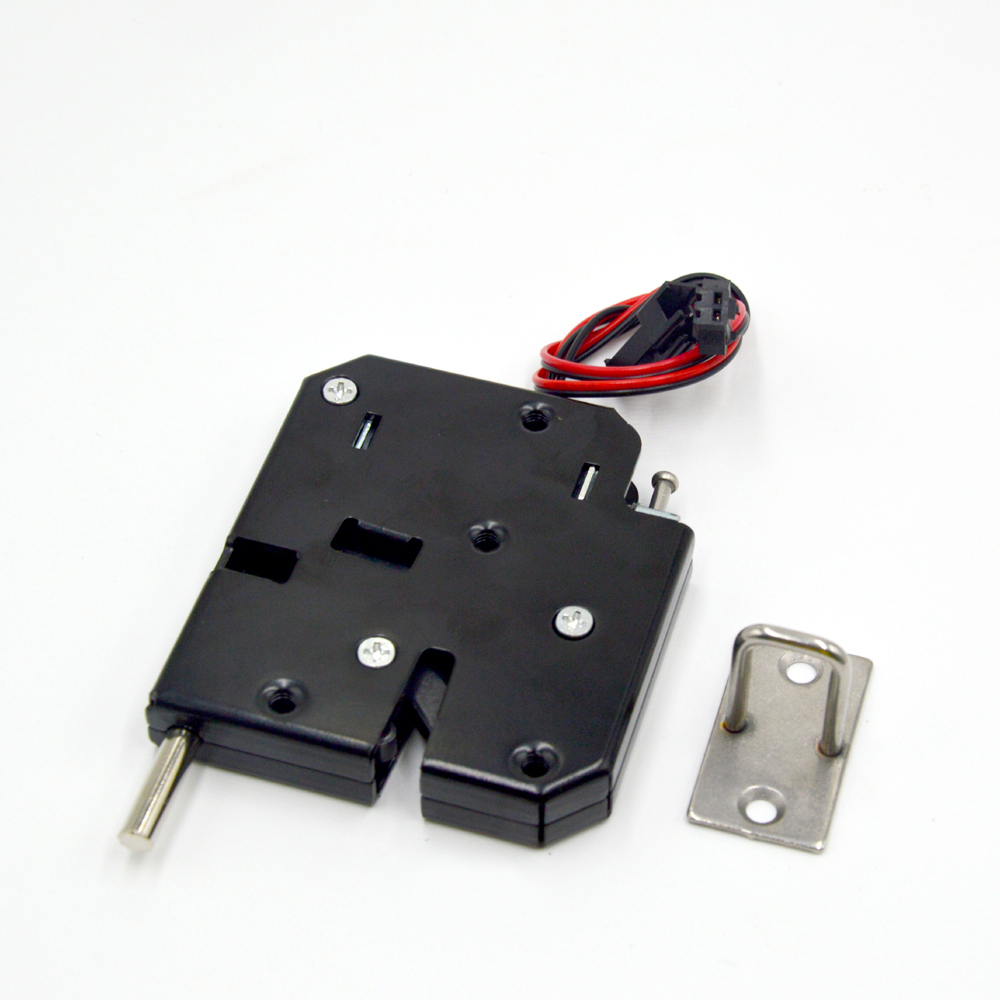
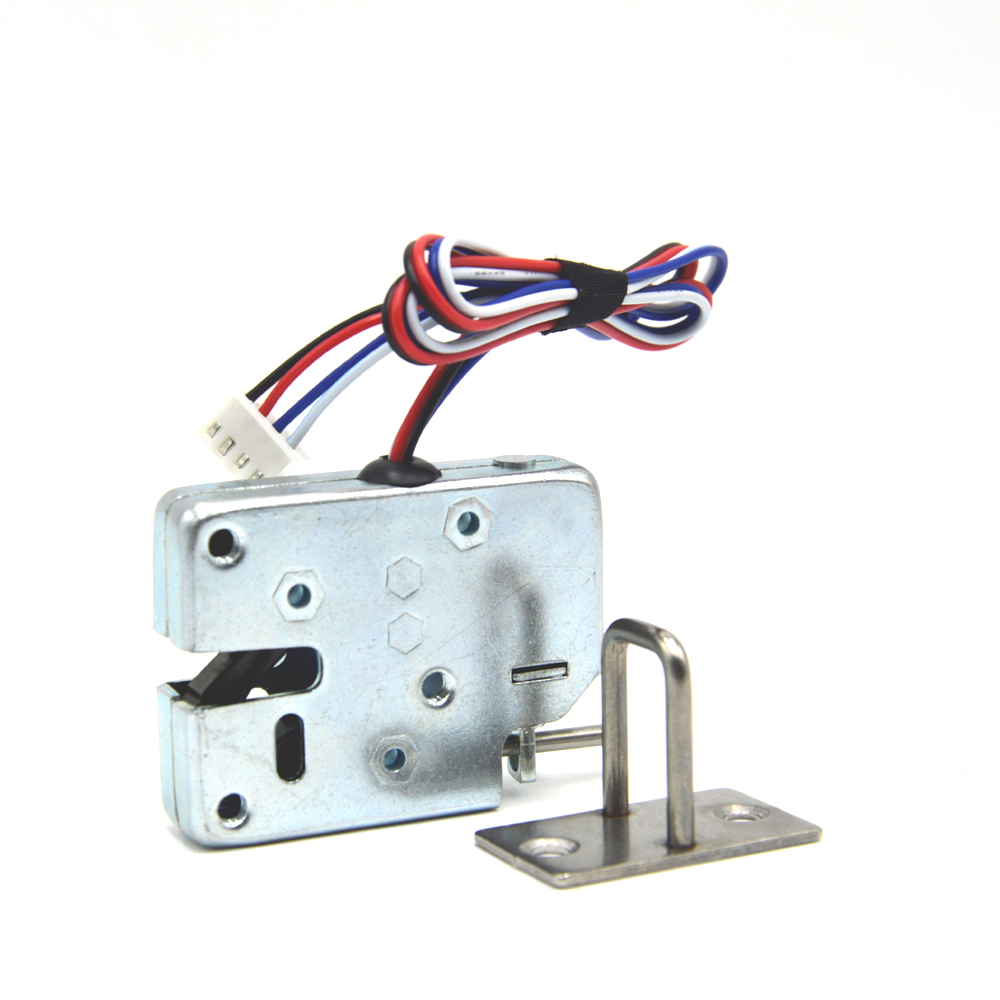
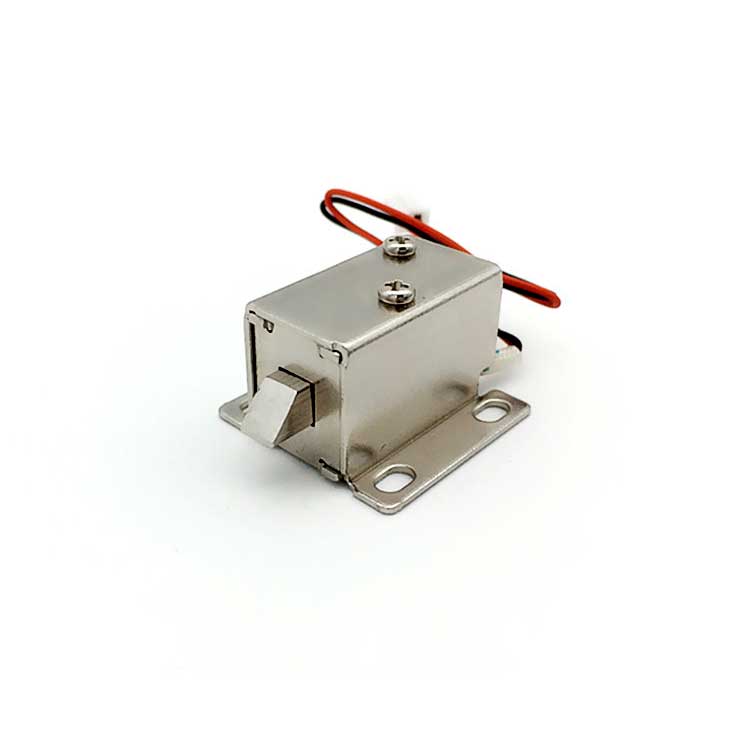
One often overlooked component in this ecosystem is the locking mechanism that secures the charging connector. During charging, the cable cannot be accidentally removed, and the system must ensure the connector remains firmly engaged with the vehicle. This is where a well-designed solenoid lock plays a crucial role.

Why Charging Connectors Must Be Locked
When a vehicle connects to a high-power DC charger, several processes happen simultaneously. The charging station communicates with the vehicle, negotiates voltage and current levels, and verifies safety parameters before electricity begins to flow.
Once charging starts, the connector must remain securely locked in place. Even a brief interruption in contact could cause electrical arcing, system faults, or charging failures. A locking mechanism ensures the cable cannot be removed until the charging session is safely completed.
Electromechanical locking solutions, especially solenoid-based systems, are widely used in such environments because they offer fast response, reliable locking force, and long operational life under repeated use.
High-Frequency Operation Requires Durable Components
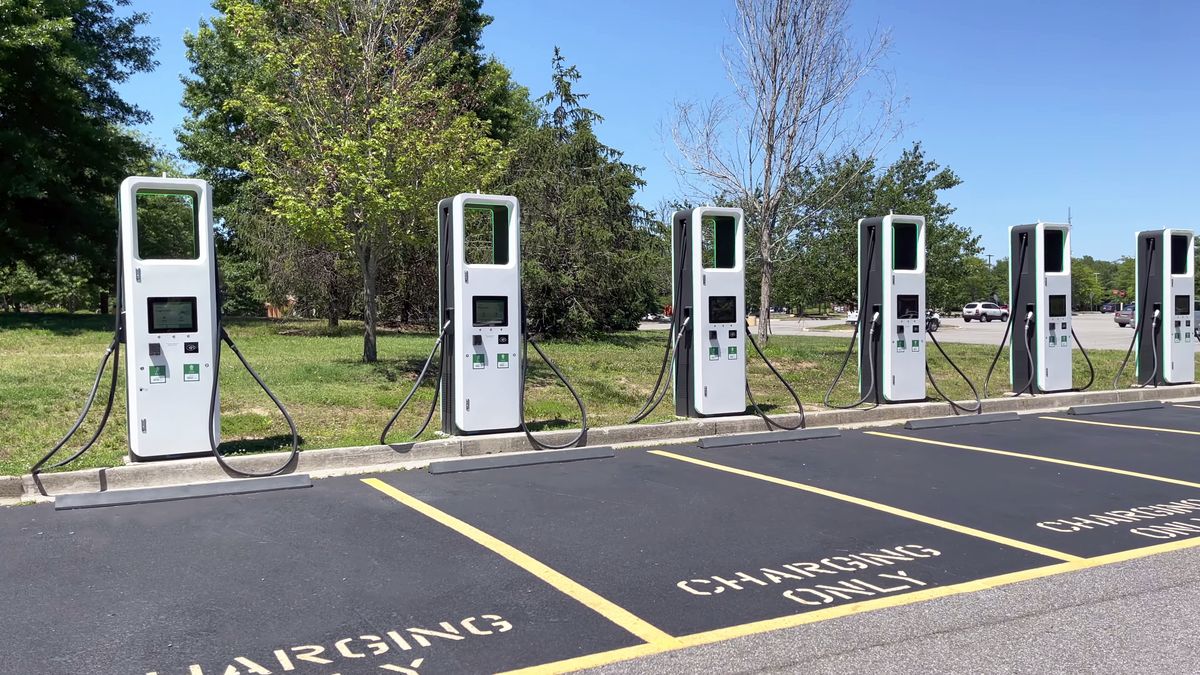
Public charging stations can be used hundreds of times per day in busy urban environments. Every connection involves several mechanical and electrical actions:
• The connector is inserted into the vehicle port • The system verifies the connection • A locking mechanism secures the plug • High-power charging begins • Charging stops and the connector unlocks
Because this cycle repeats continuously, the locking mechanism must be designed for durability. Solenoid locking systems are particularly suitable because they can operate thousands or even millions of cycles while maintaining consistent performance.
Safety First: Controlled Locking and Unlocking
Another important aspect of EV charging infrastructure is controlled unlocking. The connector should only be released after charging has safely stopped and electrical current has been cut off.
This sequence typically follows a controlled process:
1. Charging power is reduced to zero 2. Electrical contactors disconnect the battery from the charger 3. Communication confirms safe conditions 4. The locking mechanism releases the connector
A well-designed solenoid locking system allows this process to happen quickly and reliably. The system can respond immediately to electronic commands, ensuring that the connector remains secured during charging but releases smoothly when the session is finished.
Supporting the Growth of Fast-Charging Infrastructure
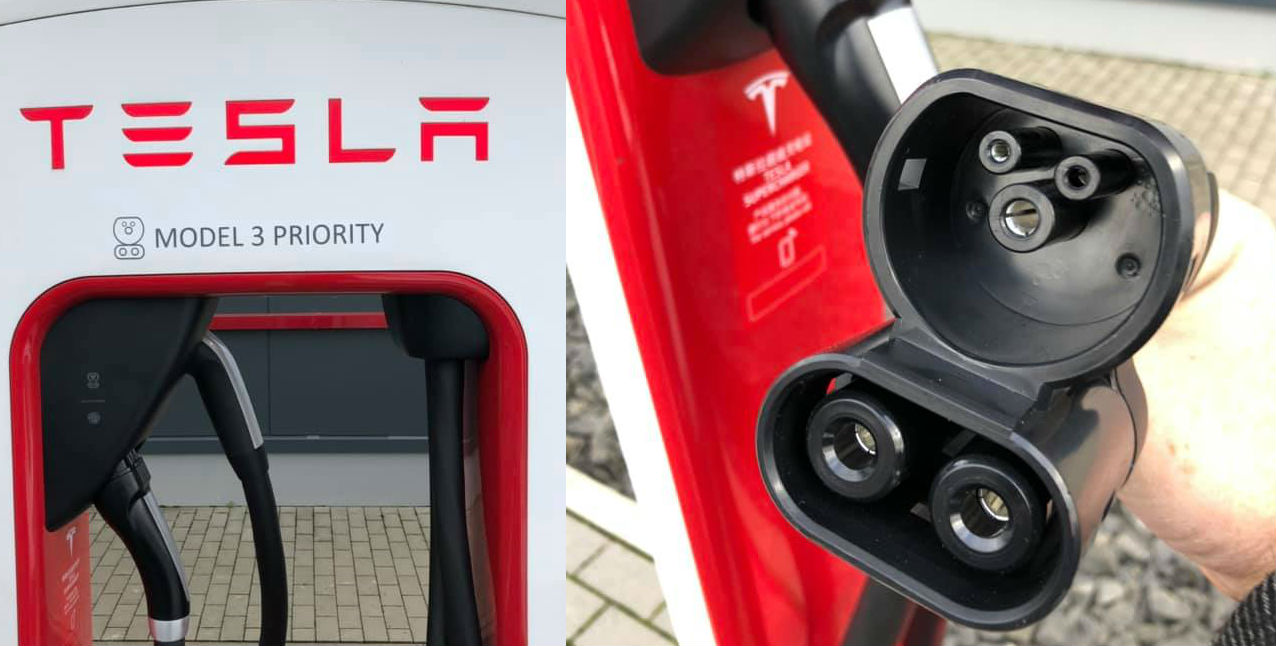
As electric vehicles become more common, charging infrastructure is expanding rapidly. Fast-charging stations are becoming more powerful, with some systems capable of delivering extremely high levels of electrical energy in a short period of time.
With these higher power levels, the importance of mechanical reliability increases as well. Stable connectors, secure locking mechanisms, and consistent performance are essential for ensuring both user safety and equipment longevity.
That is why robust electromagnetic locking components continue to play an important role in modern charging station design. When integrated properly into the charging connector or equipment housing, they help maintain stable connections, prevent accidental unplugging, and support safe high-power operation.
A Small Component With a Big Responsibility
EV charging technology often focuses on battery capacity, charging speed, and electrical power. Yet the reliability of the entire system also depends on smaller electromechanical components that quietly perform critical tasks.
Among these, the solenoid locking mechanism ensures that charging connectors remain secure during operation, helping protect both the vehicle and the charging equipment. In high-power charging environments, this seemingly small component becomes a key part of the overall safety architecture.
As charging networks continue to grow worldwide, dependable locking systems will remain an important part of building reliable and safe charging infrastructure.