Why Should You Choose a Wireless Alarm System?
Traditional wired alarm systems often leave blind spots due to layout constraints. Wireless alarm systems, on the other hand, are not limited by walls or building structure.
In recent years, many warehouse operators have been asking the same question: “How can we handle more goods without expanding the building or hiring more people?” From the perspective of a manufacturer that produces industrial components like solenoid lock systems, we often see the inside of modern automated warehouses. And honestly, the difference between traditional warehouses and automated ones is huge.
Traditional warehouses rely heavily on people walking through aisles, checking shelves, moving pallets, and recording data manually. It works, but it also brings a lot of problems—slow picking speed, high labor cost, and sometimes inventory errors. Automated storage systems try to solve these issues by letting machines handle repetitive tasks while software manages the data.
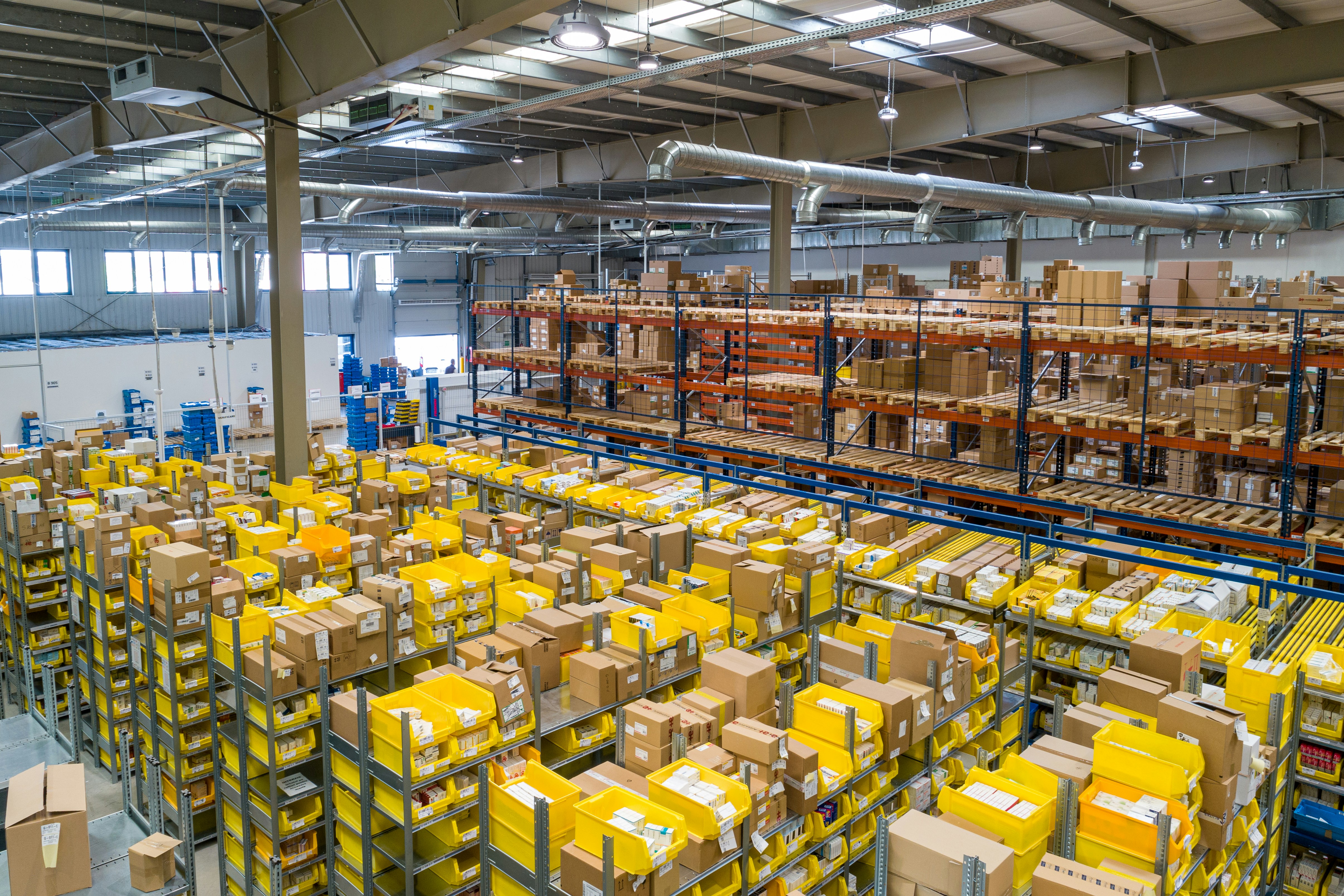
One of the biggest changes in automated warehousing is the operating logic. Instead of workers walking around the warehouse searching for products, the system brings the products to the workers automatically.
This is usually achieved through a combination of technologies:
• Automated Storage and Retrieval Systems (AS/RS)
• Autonomous mobile robots (AGV / AMR)
• Conveyor and sorting systems
• Warehouse Management Systems (WMS)
These machines communicate with each other through software. Orders enter the system, robots move the goods, and conveyors transport them to packing areas. From a mechanical perspective, there are many small but critical components behind this process. For example, access panels, equipment doors, and safety compartments inside these machines often use compact solenoid lock mechanisms to ensure controlled access and operational safety.
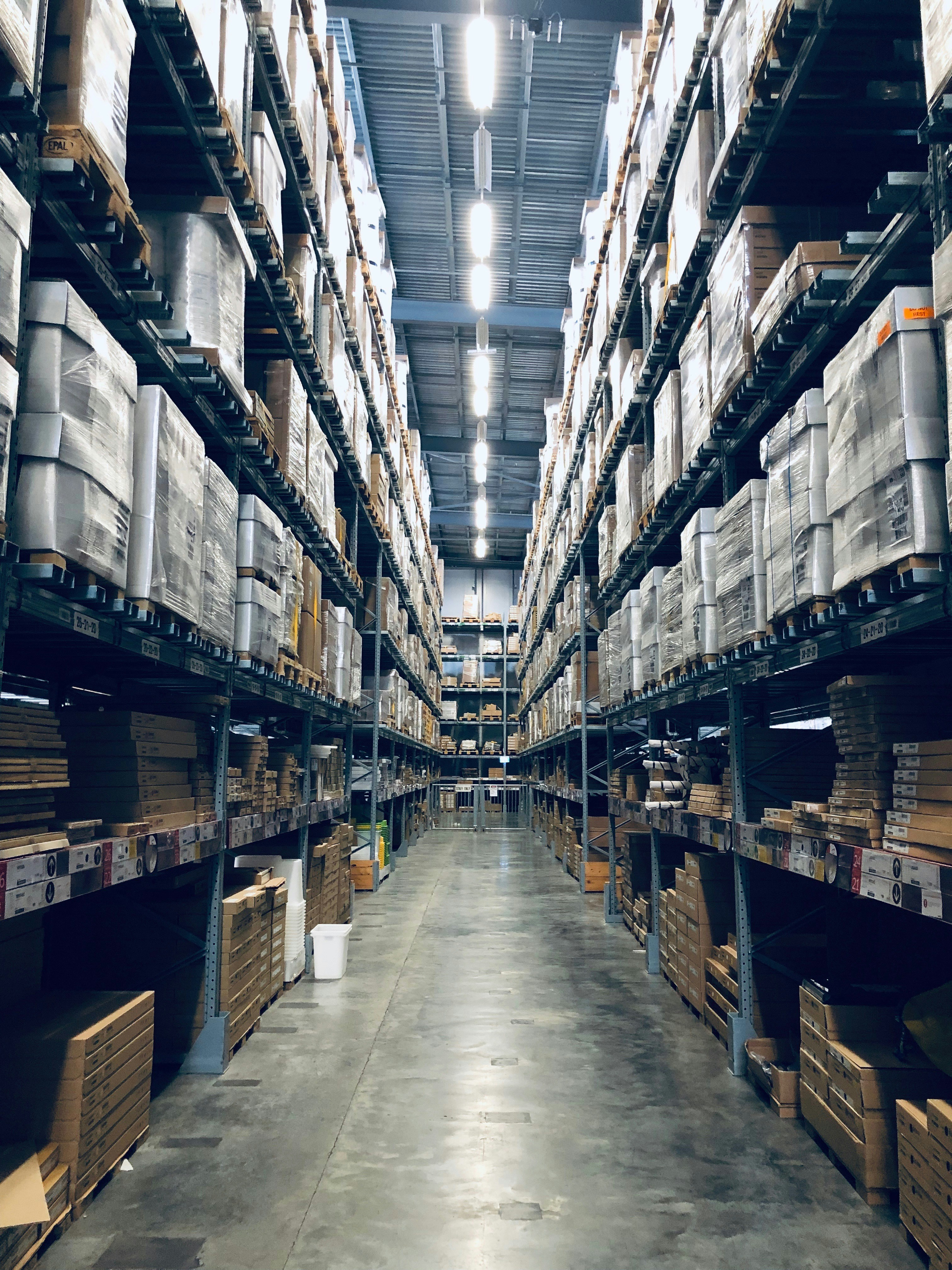
When people talk about smart warehouses, they usually focus on robots and software. But in reality, reliable hardware components are just as important.
Inside automated storage equipment there are many controlled compartments: maintenance doors, safety covers, sorting modules, charging stations, and restricted access panels. These areas must remain locked during operation and only open when the system allows it.
That’s where small electromechanical devices come in. A well-designed solenoid lock can provide:
• Fast electronic locking and unlocking
• Compact size for tight machine spaces
• Long life cycles for continuous operation
• Integration with automated control systems
In automated equipment, reliability is extremely important. If a locking mechanism fails, the entire production line or warehouse system could be interrupted. That’s why many equipment manufacturers prefer simple and robust electromagnetic locking solutions rather than complicated mechanisms.
Of course, hardware alone cannot create a smart warehouse. The real power comes from combining machines with intelligent software systems.
A modern warehouse management system can:
• Allocate storage locations automatically
• Monitor inventory levels in real time
• Track product batches and expiration dates
• Generate visual reports for managers
Once connected to enterprise systems such as ERP or manufacturing platforms, warehouse operations become highly transparent. Managers can see inventory movement, order processing speed, and system status directly from their dashboards.
At the equipment level, even small components like sensors, actuators, and locking devices communicate with the system. For example, an equipment door may remain locked during robot operation and only release when the system confirms that maintenance access is safe.
After implementing automated warehousing systems, companies typically experience four noticeable improvements:
Higher efficiency – goods move faster through the warehouse.
Lower labor cost – fewer manual handling tasks are required.
Better inventory accuracy – automated data tracking reduces errors.
Improved operational safety – controlled equipment access and monitoring.
From our perspective as an industrial component manufacturer, the trend toward automation is very clear. Warehouses are becoming more intelligent, more connected, and more dependent on reliable electromechanical components.
If you are working on automated equipment or smart warehouse systems and need compact electronic locking solutions, you can learn more about industrial solenoid lock technology here.
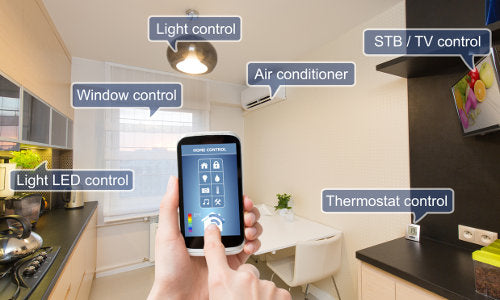
Traditional wired alarm systems often leave blind spots due to layout constraints. Wireless alarm systems, on the other hand, are not limited by walls or building structure.
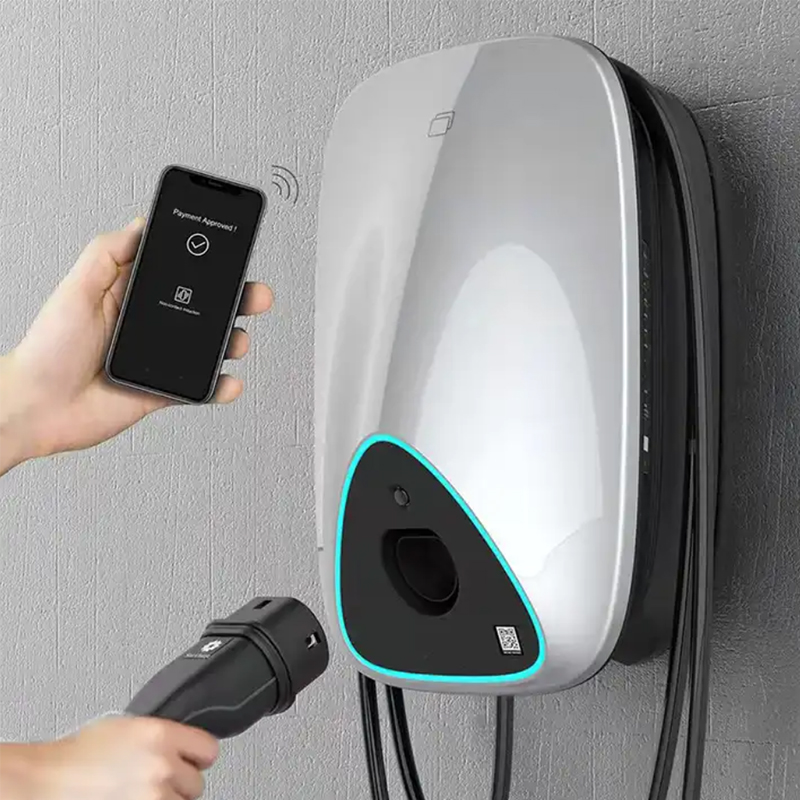
Can Mobile DC Chargers with Smart Locking Systems Accelerate EV Adoption?

What Key Features Should You Look for When Choosing a Ticket Vending Machine?